

Finding Hope in the Middle
TLLF Launches Carolina Career-Connected Learning Challenge to Expand Pathways to Livable-Wage Careers
January 16, 2026Shaping her Jewish Identity, One Summer at a Time
January 19, 2026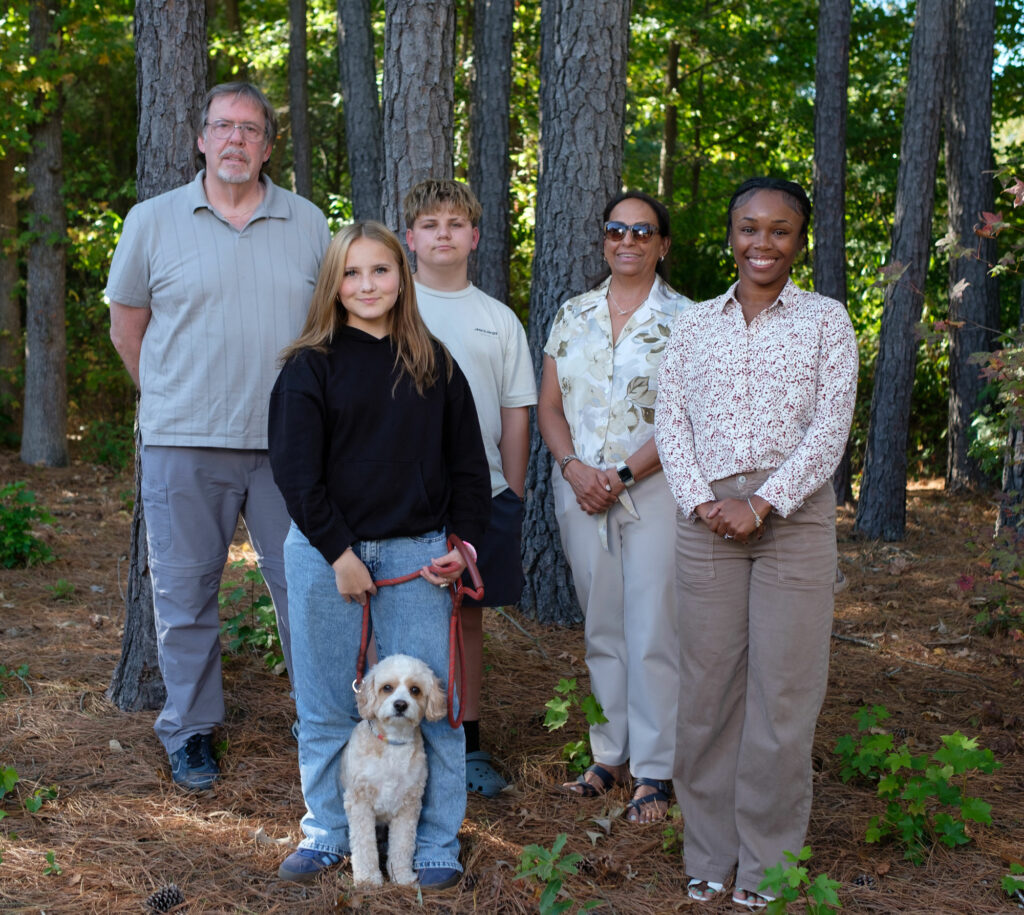
The messy middle of parenting is never easy. For Elizabeth and Stephen Meyer, who live in Knightdale, North Carolina, it’s been a winding journey through change, challenge and now more than ever, hope as they navigate the complex needs and emotions of their two adopted children, ages 14 and 12, who are also biological siblings.
On the outside, life looked ordinary. The kids went to school, competed on the swim team and played with friends. But inside the home, waves of worry and exhaustion grew for Elizabeth and Steve. The teenage years collided with lingering effects of pre-adoption trauma and the emotional weight of recent unmet expectations by their biological mother. Days became unpredictable, especially for Elizabeth: sharp words and slammed doors one moment, quiet cooperation and smiles the next.
“It is very challenging,” Elizabeth said.
That’s when Brittany King, a Success Coach with Children’s Home Society of North Carolina, became part of their journey and met the family right where they were: in the thick of it. Her approach isn’t about perfection. It’s about giving families, like the Meyers, the tools, resources and support they need to stabilize, open lines of communication and begin repairing relationships on the path toward self-sufficiency.
“Routine and structure in the home are key components,” Brittany said. “For the kids, that means doing daily chores, doing well in school and learning to regulate emotions – understanding that outbursts aren’t acceptable. For Elizabeth and Stephen, it’s about consistent communication and expectations. The goal is for them to come together as one and their job is to keep the structure.”
The practical support, from therapy referrals to de-escalation techniques, has begun to make a tangible difference. Stephen, for example, has learned how crucial it is to stay aligned with Elizabeth, even when they don’t initially agree on how to handle a conflict.
“The biggest thing is that I’ve got to back her up and support her because we have different thoughts on how to resolve things sometimes,” Stephen said.
As the family faces hard conversations together, Brittany celebrates their courage and willingness to stay vulnerable.
“Everyone has taken steps to have those difficult talks and share uncomfortable moments,” she said. “They’re improving their relationships and deepening understanding by talking through problems instead of isolating themselves.”
For Children’s Home Society of North Carolina, this kind of transformation is at the heart of its work. The organization’s mission is to promote the right of every child to a permanent, safe, and loving family. Through services like foster care, adoption, family preservation and more, they walk alongside families through their hardest seasons, helping them move from instability to stability.
“I don’t know what I would have done without Brittany because I don’t have the resources and I don’t have the experience,” said Elizabeth. “She has been there guiding me with everything that I need and reassuring me that it’s going to be okay.”
Success Coaches like Brittany are helping families see that being in the messy middle isn’t a failure, it’s where real growth happens.
Written by Krista Faye Terrell. Photos are courtesy of Alvin C. Jacobs, Jr.