

Finding Safety and Success in School-Based Therapy
Shaping her Jewish Identity, One Summer at a Time
January 19, 2026The Power of Libraries + Partnerships
January 30, 2026*Names changed to protect privacy.
Every time Sarah* saw the school’s number flash on her phone, her heart clenched with dread. In that instant, the world stopped – work meetings, conversations, the rhythm of an ordinary day – as she braced for news about her son, Ethan*.
“It was the first day of kindergarten,” she recalled. “They called me and said, ‘He’s uncontrollable. We don’t know what to do.’”
Sarah, who lives in Lincoln County, was already navigating life as a new single mom and now watching her only child unravel in ways she couldn’t understand. Ethan’s world had also shifted: new homes, new routines and the loss of everything familiar. Emotions he couldn’t name built inside him like a pressure valve, erupting in angry fits at home and daily outbursts at school.
“He would say, ‘Mom, I feel like my heart’s beeping,’” Sarah said.
Overwhelmed and exhausted, she felt like I was failing as a Mom. She didn’t know what to do and was terrified for her son.
An ADHD diagnosis brought clarity, but not calm. The calls from school continued. Ethan began to see himself only as “the bad kid,” and Sarah began to fear he might always be defined that way.
When Ethan began second grade at a new school, things finally began to change. He met Kayla* a Kintegra Health behavioral health therapist. Kintegra Health’s in-school based behavioral health program is designed to remove barriers to care by placing licensed behavioral health therapists directly in schools. The program’s mission is simple but powerful: ensure that every child has immediate, stigma-free access to mental and behavioral health support right where they learn.
Each week, Kayla’s office became a safe haven for Ethan, a place where he could find words for his feelings and strategies for his struggles. With Kayla’s steady support, Ethan learned to recognize, name and manage overwhelming emotions, shifting from impulsive reactions to thoughtful problem-solving. Together, they identified triggers, built structure through routines and schedules and practiced taking breaks before frustration took hold.
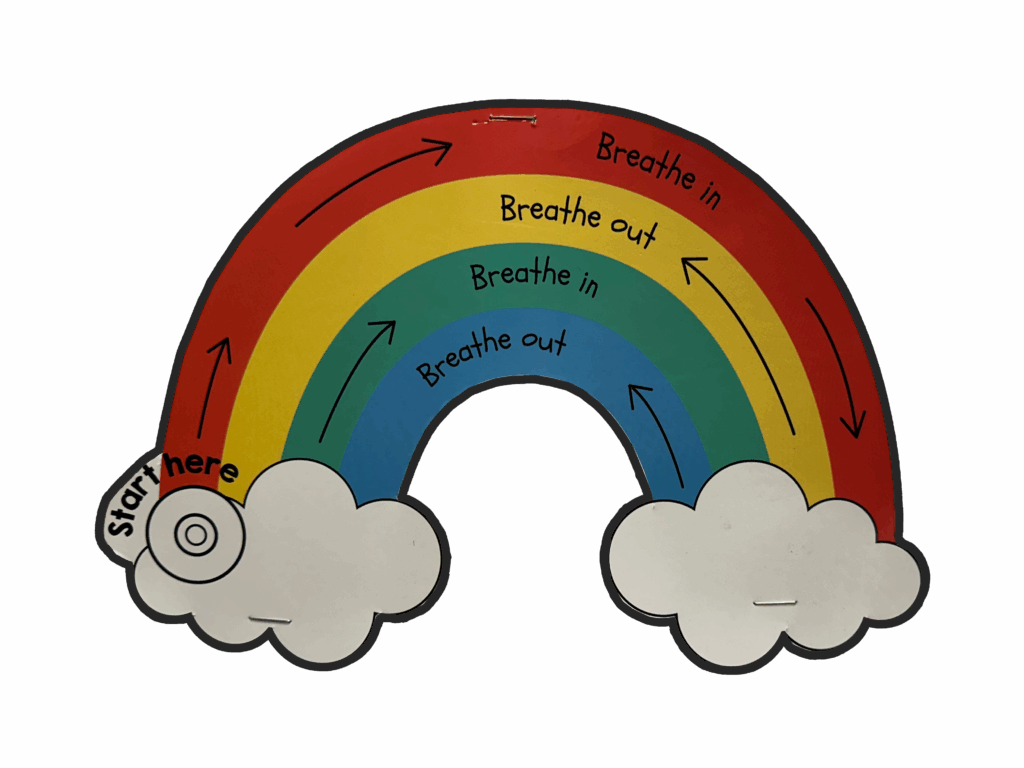
Over time, Sarah realized these sessions were about more than managing outbursts; they were laying the foundation for lifelong skills in self-regulation on his journey to self-sufficiency.
Ethan, now in the fourth grade, looks forward to going to school.
“He’s becoming more of a leader in initiating resets for himself,” Sarah said. “That’s something I really want to see him continue as he grows.”
As Ethan’s confidence grew, the world around him changed, too. Lonely lunches and isolation gave way to laughter and new friendships.
“He came home one day and said, ‘Mama, I have a new best friend,’” Sarah said, smiling. “He was no longer just ‘the bad kid.’”
Now, the lists on the fridge have become daily anchors and the language of self-regulation is part of their home life. For the first time, Sarah sees her son’s future not as a struggle, but as a story of resilience and growth.
Written by Krista Faye Terrell.